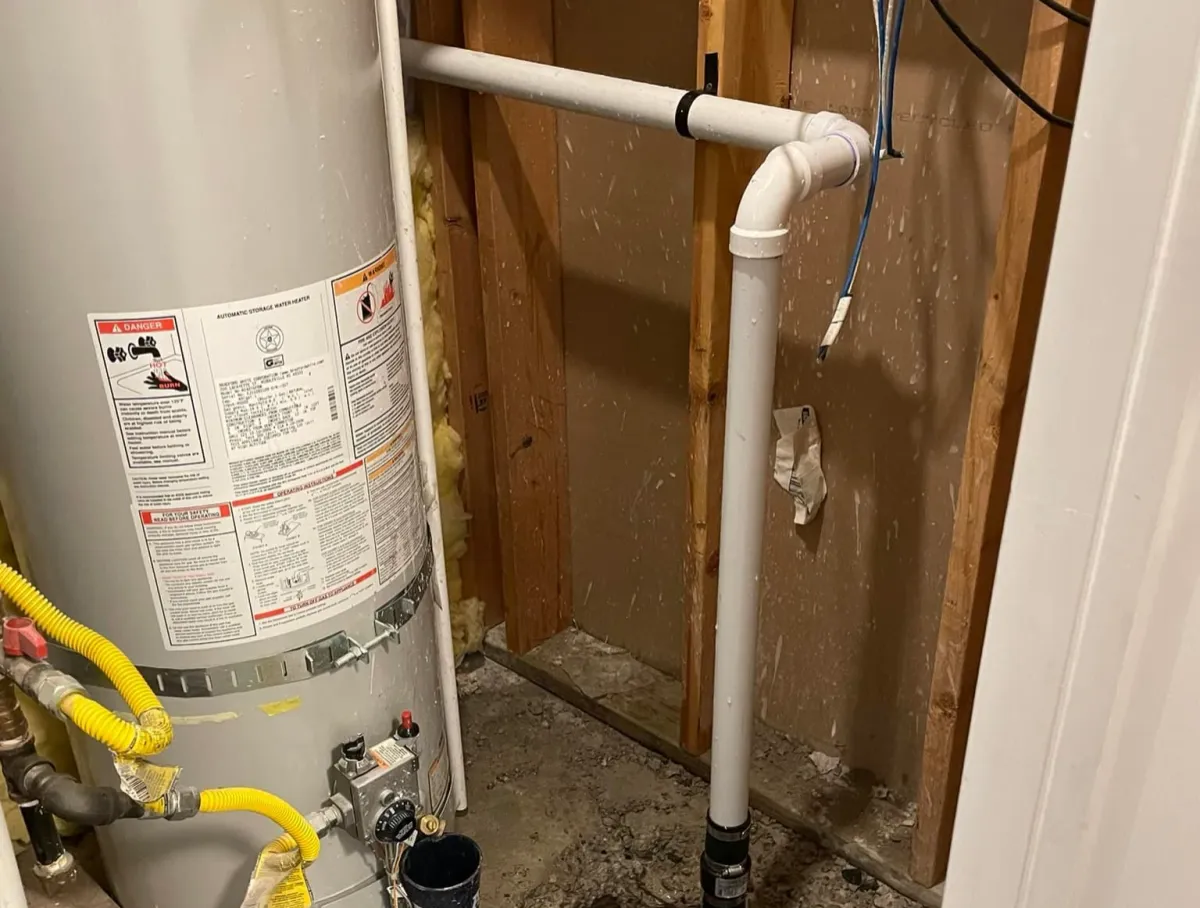
Is Your Water Heater Ready for Winter? Signs It's Time for a Fall Inspection or Replacement
If you've lived in Franklin County through even one winter, you know what's coming. Last January we had a stretch where the mercury didn't climb out of the single digits for the better part of a week, and calls started rolling in from folks on the east side of Preston whose water heaters just gave up. Nothing dramatic about it — no flood, no drama, just cold showers on a morning when it was already too cold to feel decent about anything. That's usually how it goes. Water heaters don't fail with fanfare. They fail quietly, at the worst possible time, and fall is when you catch it before it becomes a 6 a.m. problem in February.
A water heater works harder in Cache Valley than it does almost anywhere else in the region. Groundwater coming into your home is already cold to start with, and once temperatures settle into that mid-teens-to-low-20s range we get most winters, your unit is fighting a bigger gap between incoming water and the temperature you actually want. Add in a record cold snap like the -31°F we've seen here, and a water heater that was already on its last legs doesn't stand much of a chance.
Why Fall Is the Right Time to Check
We get it — a water heater is one of those things you don't think about until it's not working. But a fall inspection is one of the simplest plumbing tips we can give a homeowner, because it turns an emergency into a scheduled visit. Once the Franklin County Fair wraps up and the leaves start turning along Cub River Road, that's your cue. Get it looked at before the first hard freeze, not after.
An inspection isn't complicated. A plumber checks the anode rod (the sacrificial piece of metal that keeps your tank from corroding from the inside out), flushes sediment that's settled at the bottom of the tank, tests the pressure relief valve, and checks connections and insulation. Homes on well water — which is common out toward Cub River Canyon and the more rural stretches around Preston — tend to build up sediment faster, so those tanks especially benefit from an annual flush.
Warning Signs Worth Checking Yourself
You don't need a plumbing license to notice most of these. Before the weather turns, walk down to your water heater and take a look. Here's what to watch for:
- Age. Check the manufacture date on the sticker. Most tank water heaters last 8–12 years; if yours is pushing that range, plan for replacement rather than waiting for failure.
- Rust-colored water from your hot tap, or rust visible on the tank itself or the fittings on top.
- Popping or rumbling sounds when the burner kicks on — that's usually sediment hardening at the bottom of the tank.
- Water pooling around the base of the unit, even a small damp spot.
- Inconsistent hot water — running out faster than it used to, or water that's lukewarm instead of hot.
- A rotten egg smell from hot water taps, which can mean bacteria reacting with the anode rod.
Any one of these on its own isn't necessarily a crisis. But if you're seeing two or three together, especially on an older unit, that's a strong signal it's time to have someone take a real look rather than hope it holds through January.
Repair or Replace?
This is the question everyone actually wants answered, and honestly, it depends on a few things. If your water heater is under six or seven years old and the issue is something isolated — a thermostat, a heating element, a valve — a repair usually makes sense and is the more affordable route. We'll always tell you straight if that's the smarter call.
But if the tank itself is leaking, or it's past the ten-year mark and starting to show more than one warning sign, replacement is almost always the better investment. An old unit isn't just risking a failure, it's also quietly costing you money every month through lost efficiency. Newer units, including tankless options, handle Cache Valley's cold incoming water more efficiently and take up less space, which matters in some of the older homes downtown along the State Street corridor where basement and utility room space is tight to begin with.
A Word on Winter Preparation Beyond the Water Heater
While you've got a plumber out for the water heater, it's worth having them glance at a couple of other things that trip people up here. Exposed pipes in crawl spaces and garages need insulation before the hard freezes set in — we see more burst pipes from uninsulated garage lines than almost anything else once temperatures drop below zero. If you've got a hose bib outside, make sure it's shut off and drained. And if your home has radiant heating, fall is the time to have the system checked and bled, since a system that's not circulating properly can leave cold spots right when you need them least, whether that's a home near Oneida Narrows or one of the newer builds going in around North Logan.
It's Not Just Preston
We hear from just as many homeowners in Smithfield and Richmond dealing with the same issue — older units that were fine all summer and then start acting up the moment the weather shifts. The climate here doesn't play favorites by zip code. Whether you're a few blocks from Preston City Park or out past the fairgrounds, the same fall inspection routine applies, and it's a lot cheaper than an emergency call on a Sunday night in December.
Let's Get Ahead of Winter Together
You don't have to guess whether your water heater will make it through another Cache Valley winter. If it's been a few years since anyone's looked at it, or if any of those warning signs sound familiar, reach out to us at Don Mac Plumbing and we'll come take a look. Whether it just needs some routine maintenance or it's genuinely time for a new unit, we'd rather help you plan for it now than get the call in the middle of a cold snap. Schedule a visit before the first freeze — your future self, standing in a hot shower in January, will thank you.
