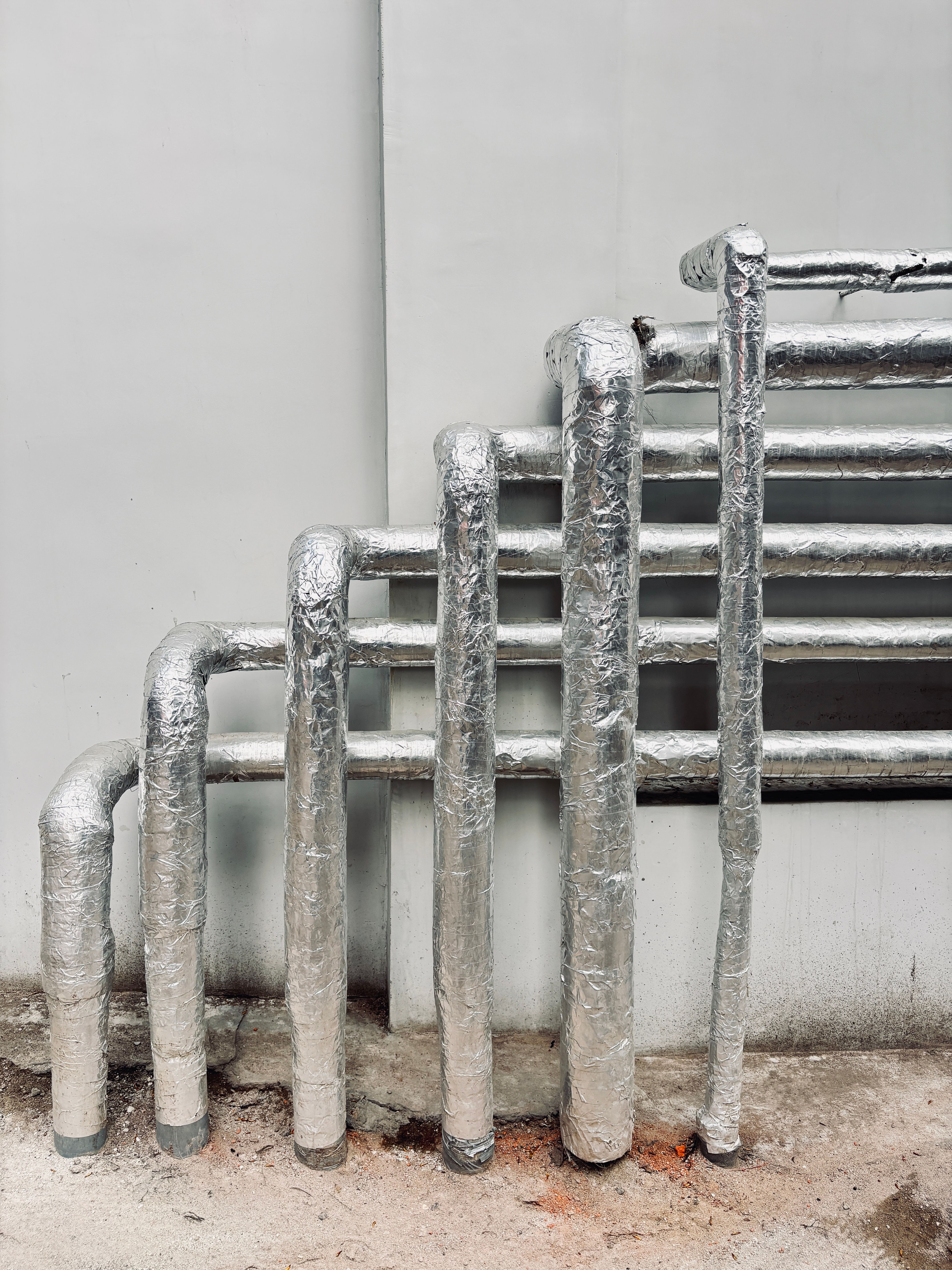
How to Insulate Exposed Pipes Before the first hard freeze
If you've lived in Preston more than a winter or two, you already know how fast things can turn. One week you're at the farmers market picking up the last of the season's squash, and the next you're scraping frost off the windshield before sunrise. That turn is exactly when pipes start freezing — and it usually catches people off guard, because the first hard freeze of the year doesn't send a warning text.
We've pulled burst copper out of enough crawl spaces on the east side of Preston to know this isn't a "maybe someday" problem. It's a "when," not an "if," for any home with pipes running through an unheated crawl space, garage, or exterior wall. The good news is that insulating exposed pipes is one of the cheapest, easiest jobs a homeowner can knock out in an afternoon — and it can save you thousands in water damage.
Why Cache Valley Winters Are Genuinely Rough on Plumbing
Preston isn't dealing with a mild coastal winter where the ground barely freezes. Average winter temps here sit in the mid-teens to low 20s, and the county has seen a record low of -31°F. When that kind of cold settles into the valley — and it does, every single year — any water pipe without protection is at risk of freezing solid, expanding, and splitting the pipe wall.
Here's the part a lot of folks don't realize: it isn't usually the coldest night of January that causes the damage. It's often that first hard freeze in October or November, before anyone's thought about pipe insulation, when a sudden cold snap catches an exposed line with no protection and no backup plan. By the time you're dealing with a proper mid-winter deep freeze, most homes have already had a scare or two and started paying attention. That first freeze is the sneaky one.
Which Pipes Actually Need Insulating
Not every pipe in your house is at equal risk. Anything running through conditioned living space — behind drywall in a heated room, for instance — is fine. The pipes that get you are the ones running through spaces that aren't heated the same way your living room is.
Walk through your house (or crawl space, if you're up for it) and look for:
- Pipes in an unheated crawl space or basement, especially along outer walls
- Any line running through the garage — a common spot in homes on the east side of Preston with larger detached or attached garages
- Pipes in exterior walls, particularly on the north side of the house where sun exposure never helps
- Hose bibs and outdoor spigots, along with the shutoff valves just inside the wall
- Lines running near uninsulated attic space or crawling along a rim joist
If you're near Cub River Road or anywhere else close to the water, pay extra attention to crawl space humidity too — damp ground plus cold air is a fast track to frozen lines, since wet insulation loses a lot of its effectiveness.
How to Actually Insulate the Pipes
The most common and budget-friendly option is foam pipe insulation — those pre-slit foam tubes you'll find at any hardware store in town. They slide right over the pipe and seal with the adhesive strip or a little tape. For a typical 3/4-inch or 1/2-inch copper or PEX line, this is a Saturday afternoon project, not a plumber-required job. Just make sure you buy the right diameter for your pipe and don't leave gaps at the joints, since that's where cold air sneaks in.
For pipes that see serious exposure — an uninsulated crawl space that gets brutal wind off an open field, say — heat tape is worth the extra step. It's an electrical cable that wraps around the pipe and kicks on when temperatures drop, and it pairs well with foam insulation layered over the top for double protection. Just plug it into a GFCI outlet and follow the manufacturer's instructions on wrapping pattern.
Don't forget the little things that make a big difference: seal up any drafts where pipes pass through exterior walls or the foundation using expanding foam or caulk, and disconnect garden hoses before that first hard freeze hits. A hose left attached to an outdoor spigot traps water in the line and can force a freeze back into the pipe inside your wall — a classic, totally preventable mistake we see every single fall.
A Quick Story From a Cub River Road Job
A few winters back we got a call from a homeowner out along the river whose kitchen line froze overnight during an early October cold snap — the kind that shows up out of nowhere before anyone's winterized anything. The pipe ran along an exterior wall behind a cabinet that backed up to an unheated mudroom addition, and nobody had thought to check it because, well, it was still technically fall. Twenty dollars of foam insulation and an hour of work would have prevented the whole mess. Instead it turned into a repair, a mopped-up floor, and a homeowner who now insulates every exposed inch of pipe before Labor Day.
A Few More Cold-Weather Plumbing Tips
Insulation handles the passive side of things, but a couple of habits go a long way once temperatures really drop. On the coldest nights, let faucets connected to exposed pipes drip slightly — moving water is much less likely to freeze than water sitting still. If you'll be away from home during a hard freeze, whether you're headed to watch the Preston Night Rodeo crowds thin out for the season or just traveling for the holidays, keep your thermostat set no lower than 55 degrees, and consider having a neighbor check in.
It's also worth opening cabinet doors under sinks that sit against exterior walls so warm household air can reach the pipes underneath. And if you already know a particular line has frozen before, that's your first candidate for insulation — past behavior is the best predictor here.
When to Bring in a Professional
Most pipe insulation is genuinely a DIY-friendly project, and we're happy to see homeowners handle it themselves. But if you've got a pipe that's frozen repeatedly, a crawl space that's hard to access safely, or you're not sure whether a line is properly insulated to begin with, that's where a second set of eyes helps. We can also take a look at anything more involved, like rerouting a persistently problem-prone pipe or adding heat tape correctly so it's not a fire risk.
Whether you're in Preston proper, out toward Cub River Canyon, or over in Smithfield, Richmond, or North Logan, our crew knows the local building patterns and the particular spots that tend to freeze first around here. If you'd like a hand getting your home ready before the temperatures drop for good this year, reach out to Don Mac Plumbing — we're glad to come take a look, point out any weak spots, and help you head into winter with one less thing to worry about.
